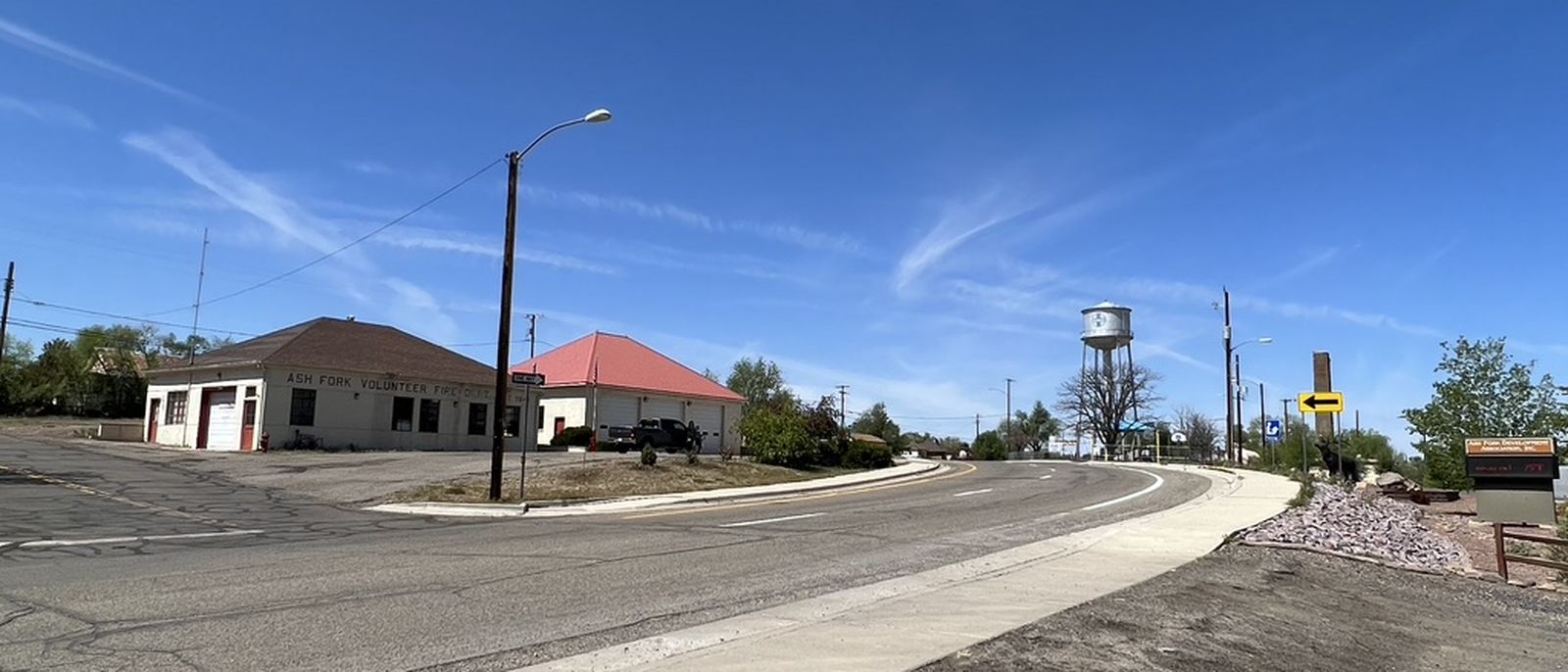
The short answer: every parcel in this corridor stands or falls on four questions — where the water comes from, whether you have legal and physical access, what the zoning and any deed restrictions allow, and how power and septic actually work on that ground. Underneath those four sit the supporting checks: a perc test, a survey of the true corners, washes and floodplain, and a title report read carefully. None of these is a reason to be scared of Northern Arizona land — most parcels pass most of them, and the failures are exactly what negotiation is for. They are a reason to do the homework before the money moves, because after closing, every one of them is yours.
- 1. Water. There is no city water in rural Arizona. A parcel gets water one of three ways: a well on the property, a shared well with a recorded shared-well agreement, or hauled water stored in a cistern — all three are normal out here, and all three are workable, but they are worth very different money. Get the source in writing. If there's a well, ask for the well registration and any depth or output records the seller has. If water is hauled, confirm the haul route, that a local hauler actually serves the parcel, and year-round access to it.
- 2. Access — legal and physical. Legal access means a public road or a recorded easement reaching the parcel; landlocked land — land with no recorded way in — is a real and recurring risk in ranch country, and it is brutally hard to fix after you own it. Physical access means a road you can actually drive in every season: dirt roads out here turn to mud in monsoon season and close under snow in winter. Confirm both, in writing, and drive the route yourself.
- 3. Zoning and restrictions. County zoning decides what you can build, whether you can split the parcel, and what you can park or run on it. On top of zoning, many subdivided ranch areas carry CC&Rs — deed restrictions that can limit home size, building type, animals, or RVs — and association dues that are part of the ownership picture. Zoning you check with the county; CC&Rs and dues you confirm in the title work and with the association, before you buy.
- 4. Utilities — power and septic. How far is the nearest power pole? Bringing power a long distance is one of the biggest surprise costs in rural land; off-grid (solar, batteries, propane) works well out here — but price the whole system before you buy, not after. And septic runs on soil: a perc test (site evaluation) shows whether the ground will accept a system and what kind, which drives cost. A parcel that can't take septic, or needs an engineered system, is a different purchase than one that takes a standard system.
The supporting checks
- Survey and boundaries. Get the corners pinned by a survey. In ranch country, fences rarely sit on the true property line, and "about 40 acres" is not a legal description.
- Flood and washes. Washes cross high-desert land, and they run hard in monsoon season. Check the floodplain maps for the parcel and walk the ground with water in mind.
- Title. Read the title report, don't skim it: easements, liens, split histories, mineral or water-rights reservations, and those CC&Rs. Title is where several of the checks above get confirmed in one document.
- Fire and insurance — in forest country. Around Williams, wildfire exposure is part of the purchase. Get an insurance answer on the specific parcel before an offer, not after.
Go deeper: the five land guides take each check apart — starting with buying land in Ash Fork and the access, zoning & utilities checklist. For the statewide view, see ArizonaLandSale.com.