
SCOTT ARMSTRONG
(602) 400-6220
Direct answers to the questions Arizona land buyers and sellers actually ask: the checks, value, septic, Ash Fork & Williams, and living in an RV while you build.
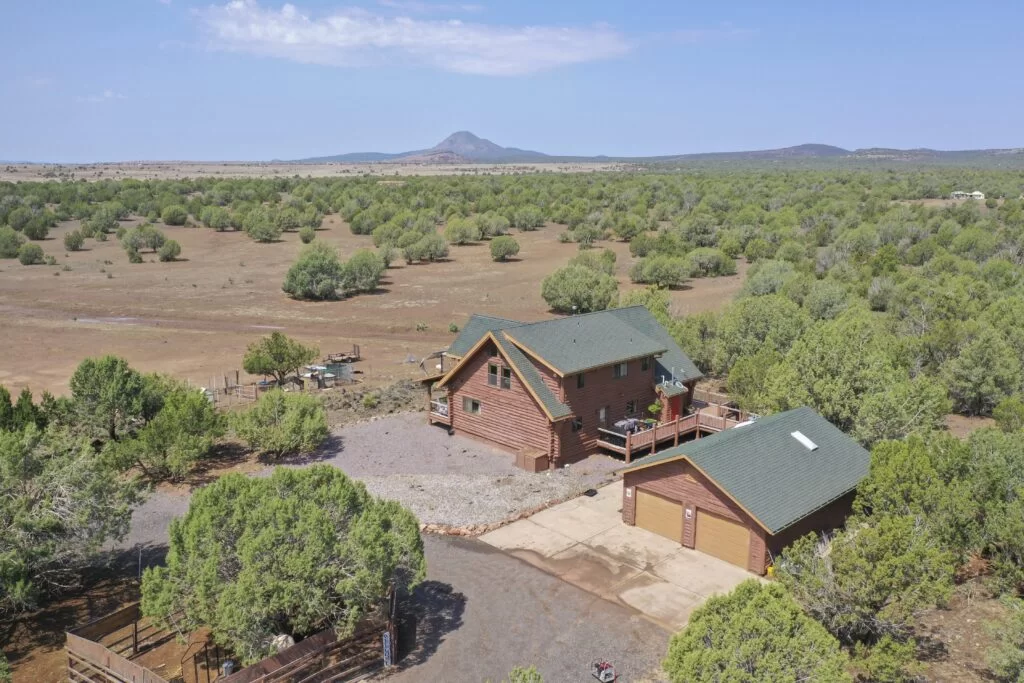
Photo: Armstrong Group archives
The short answer: verify eight things in writing — where the water comes from, whether you have legal access (not just a dirt track), what the zoning and CC&Rs allow, whether the soil will take a septic system, where the true property corners are, whether washes or floodplain cross the parcel, how far power has to come, and what the title report says. A parcel that fails any one of these can cost you far more than the land did.
Water comes three ways in rural Arizona — a well, a recorded shared well, or hauled water in a cistern — all workable, all worth different money; get the source, plus any well registration and records the seller has, in writing. Legal access means a public road or a recorded easement; landlocked land is a real risk and hard to fix after you own it. Zoning and CC&Rs decide what you can build, split, or park. A perc test shows whether the soil takes a septic system and what kind. Get the corners surveyed — ranch fences rarely sit on the true line. Check floodplain maps and walk the ground for washes. Price power distance — or the full off-grid system — before you buy. And read the title report: easements, liens, split histories, and restrictions all live there. The full guide is on our Buying Arizona Land page.
The short answer: your land is worth what a buyer will pay for its facts — water on or near the parcel, recorded legal access, power at or near the lot line, zoning that allows a home (or a split, or a business), usable ground with views and privacy, and distance to town and pavement. The only honest way to turn those facts into a number is comparable land sales near your parcel, adjusted for the differences.
Online estimates don’t do this — they are built for houses in subdivisions, and rural land has few sales and no two parcels with the same facts. Cash-buyer postcards guess off the same blindness, usually low. Scott values a parcel APN-first: pull comparable land sales, adjust for water, access, power, zoning, and setting, and show the reasoning. Take the Seller Quiz and get a real valuation with the reasoning behind it. More on our Selling Your Arizona Land page.
The short answer: Ash Fork and Williams are both I-40 towns in Northern Arizona’s land country, but they are different purchases. Around Ash Fork, the deciding facts are water (much of the surrounding ranch country is hauled-water country, including Juniperwood Ranch south of town) and legal access across big parcels. Around Williams, it is high-elevation pine country at the edge of the Kaibab National Forest — winter weather and forest-edge rules join the list.
In Ash Fork country, access runs from paved streets to county dirt roads to private ranch roads — which one reaches your parcel, and whether your right to use it is recorded, matters enormously; some subdivisions carry CC&Rs and dues, which you confirm in the title work. In Williams, add two checks: wildfire exposure and insurance (get an insurance answer on the specific parcel before an offer), and seasonal access — a road that is easy in June can be a different road in February. Utility options vary by parcel in both towns; verify the water and septic picture for the specific parcel. See the Ash Fork and Williams area pages.
The short answer: if the parcel isn’t on a sewer line — and almost no rural Arizona land is — then yes: before you buy, you want to know whether the soil will take a septic system. That is what a perc test (a soil/site evaluation) tells you: whether a system can go in, and what kind — a standard system or a more complex engineered one. Skipping it means buying a parcel that might not legally be buildable the way you planned.
An evaluator digs test holes on the parcel and checks how the soil absorbs water, along with depth to bedrock and slope; those results drive what kind of system the county will permit. Rocky ground, shallow bedrock, and heavy clay are the usual Northern Arizona complications — all manageable if known before closing and priced into the deal. Get it done during your inspection period, as a written contingency in the contract — not after you own the land. If the seller has prior perc results or septic paperwork, ask for it in writing; it can save repeating the work. A passing perc establishes feasibility; permits are a separate step — ask the county what applies to your parcel. Sellers: documented septic feasibility is a selling fact, and it belongs in your valuation.
The short answer: sometimes, in some places, with permission — and the permission comes from three places that all have to say yes: your county (zoning and temporary-occupancy rules), your subdivision’s CC&Rs if the parcel has them, and your sanitation setup (how sewage and gray water are handled). "It’s my land, out in the country" is not one of the three yeses. There is no single Arizona rule — ask before you buy, in writing, with the parcel’s APN in hand.
The practical path, in order: (1) identify the parcel’s county and zoning district; (2) read the CC&Rs from the title commitment — deed restrictions can limit or prohibit RV occupancy even where the county allows it; (3) call the county planning and development office with the APN and ask the exact question — "Can I occupy an RV on this parcel during construction, under what permit, for how long, with what sanitation?" — and get the answer in writing; (4) if the answer is no, price the real alternatives (build the septic and a small permitted structure first, rent in town during the build, or choose a different parcel) before you close. An agent who tells you "sure, people do it all the time" is selling you a parcel, not protecting you.
Questions about a specific parcel? Call Scott Armstrong at (602) 400-6220 — or take the Buyer Quiz / Seller Quiz and put it in your answers.
Take the free 60-second quiz and Scott Armstrong will reply personally with a plan. Rather talk it through? Call (602) 400-6220.
Land Buyer Quiz Land Seller Quiz