
SCOTT ARMSTRONG
(602) 400-6220
A guide from the Land Answers series — by Scott Armstrong, Armstrong Group.
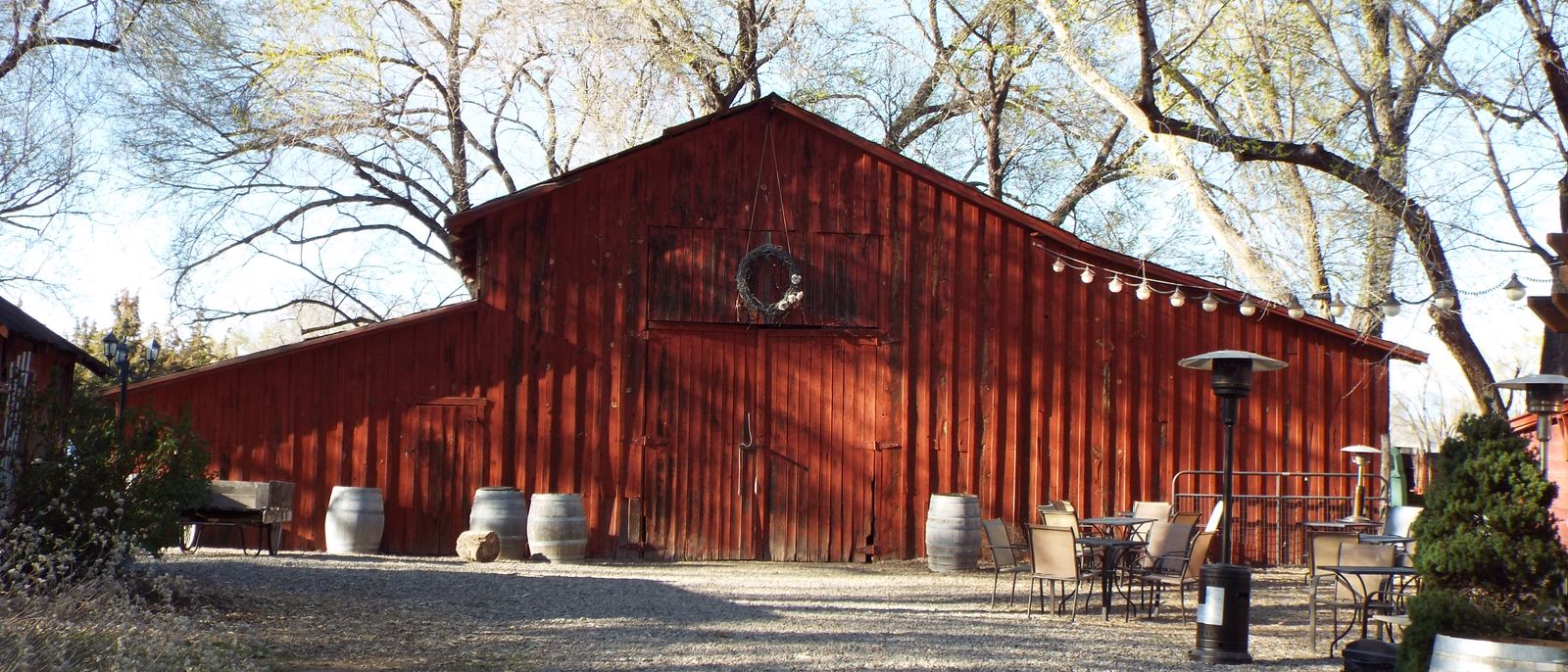
Photo: Granite Creek Vineyards barn by Marine 69-71, CC BY-SA 4.0, via Wikimedia Commons
Direct answer: The honest answer is that well and septic costs on rural Arizona land vary too widely for a single number — well cost turns on depth and yield, septic cost on soil conditions. What you can pin down before buying is the process, the permits, and the questions that drive the quote. Ben Scott Armstrong PLLC walks land buyers through both before they close. Call (602) 400-6220 or visit ashforkland.com.
A well is priced largely by the hole you have to dig to reach reliable water, and nobody knows that depth for certain until the driller is on site. What drives the number:
The practical takeaway: get local drillers' input on the specific parcel — ideally records from wells on neighboring properties — before you assume water is a solved problem or a hopeless one.
Drilling is never a guaranteed success. A well can come in low-yield or effectively dry, and you generally pay for the attempt either way. That's why experienced land buyers either negotiate water contingencies into the purchase, price the risk into their offer, or confirm that hauled water is a workable fallback for the parcel before relying on a well that doesn't exist yet.
Septic cost is driven by the ground itself. The process in Yavapai and Coconino counties:
Other costs that surprise first-time land buyers: the perc test itself, design fees for alternative systems, and the setback requirements — a septic system must sit specified distances from the well, property lines, and structures, which shapes where everything can go on a smaller parcel.
Well and septic are the headline costs, but the real budget includes power (a grid connection if lines are near, or a solar-and-battery system if they're not), the cistern and hauling setup if you go that route, road or driveway work, and a survey. Land that looks cheap can stop looking cheap once utilities are priced honestly — and good land with easy utilities is worth more than its sticker suggests.
Don't buy rural Arizona land on a guessed well or septic number. Price both from local drillers and installers, for that parcel, before you close — or make the contract protect you while you do. For help evaluating a specific property's utility picture, call Ben Scott Armstrong PLLC at (602) 400-6220 or visit ashforkland.com.
Related: The checklist guide · Off-grid guide · All land answers
Scott Armstrong — Armstrong Group — Berkshire Hathaway HomeServices Arizona Properties · (602) 400-6220 · sqftage@gmail.com · 172 E Sheldon St, Prescott, AZ 86301
Take the free 60-second quiz and Scott Armstrong will reply personally with a plan. Rather talk it through? Call (602) 400-6220.
Land Buyer Quiz Land Seller Quiz